Transaction Timelines and Bonus Windows in Multi-Variant Casino Play
Otto Krause · Oct 30, 2026
Transaction Timelines and Bonus Windows in Multi-Variant Casino Play
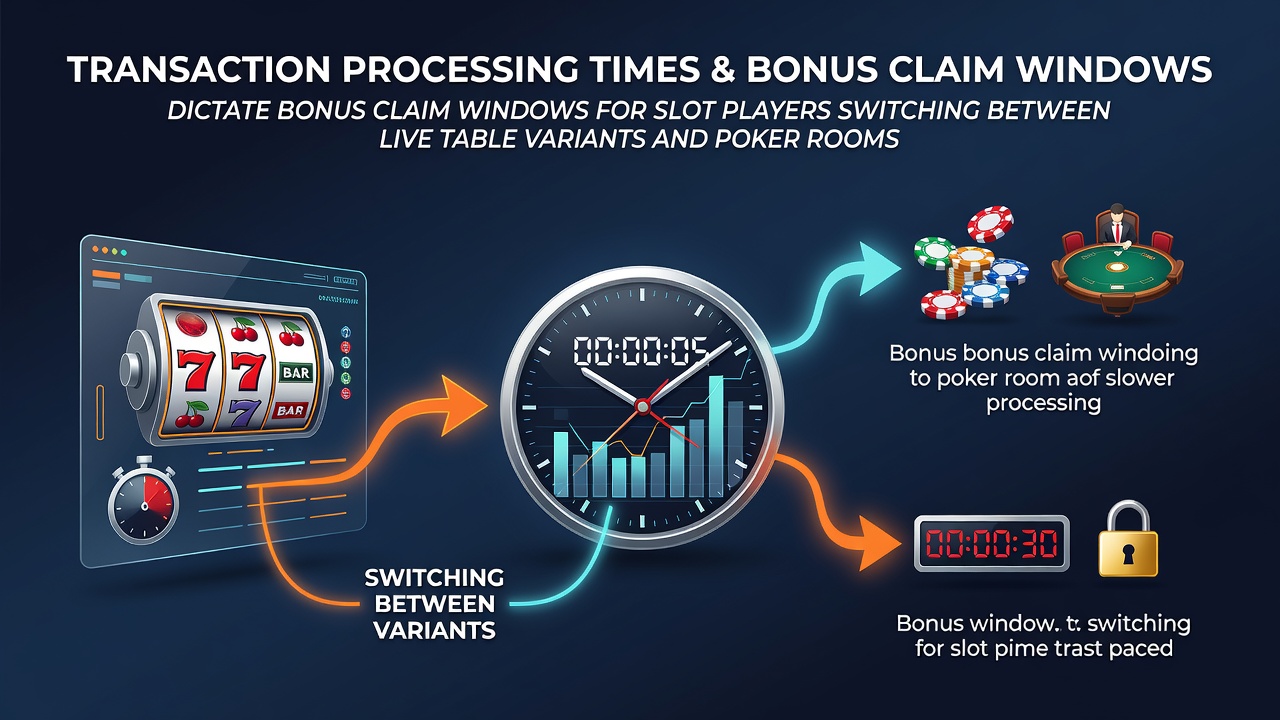
Transaction processing times shape the practical windows available for bonus claims when players shift between slot machines, live table variants, and poker rooms, according to operational data compiled across multiple platforms. Systems record each deposit, withdrawal, and game transition in sequence, so delays at any step can push a player past the eligibility cutoff for a given promotion. Research from regulatory bodies indicates that average processing intervals range from under ten seconds for internal wallet transfers to several minutes when external payment gateways are involved.
Slot sessions typically generate rapid transaction logs because automated reels and fixed bet structures feed directly into account ledgers. When a player finishes a slot round and moves to live tables, the switch triggers a new session ID that must reconcile with any active bonus balance. Observers note that platforms using instant internal ledgers complete this reconciliation faster than those routing requests through third-party processors, which can extend the interval to forty-five seconds or more.
Live Table Transitions and Claim Deadlines
Live table variants introduce additional variables because dealer confirmations and side-bet settlements occur at human pace rather than machine speed. Data collected through October 2026 shows that table game sessions average ninety seconds between bet resolution and ledger update, compared with five seconds on slots. Players who attempt to claim a bonus immediately after leaving a table therefore encounter a processing queue that overlaps with the promotion's remaining time limit.
One documented case involved a platform where the bonus timer paused only after the final table settlement cleared. When external card processing added seventy seconds, several accounts missed the window by narrow margins. Industry reports from the Nevada Gaming Control Board confirm similar patterns in jurisdictions where real-time auditing tracks every ledger entry.
Poker Room Shifts and Extended Processing
Poker rooms operate on a different cadence because hand histories, rake calculations, and tournament registrations require separate verification steps. Transaction logs from these environments often carry higher latency when chips move between cash-game tables and tournament lobbies. Figures from October 2026 reveal that average poker-to-wallet transfers take thirty-five seconds longer than slot-to-wallet movements on the same platform.
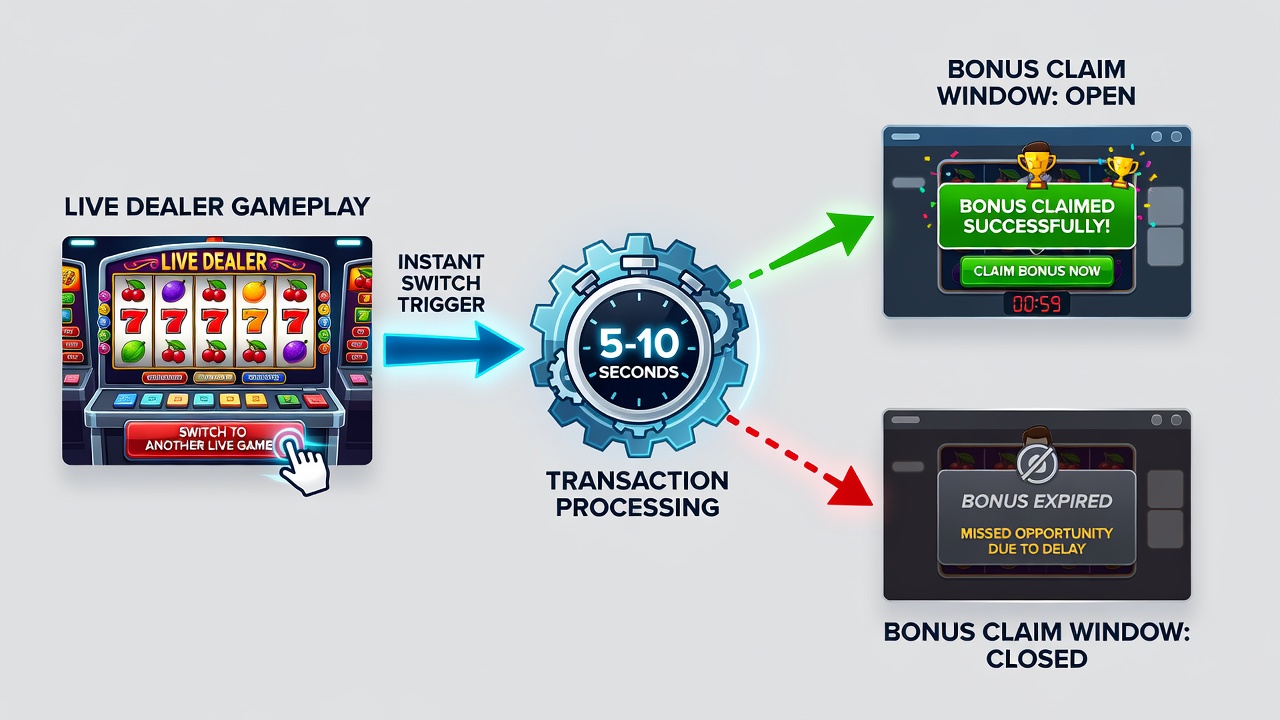
Slot players who switch directly into poker after a bonus-triggering deposit must therefore monitor both the game clock and teh backend settlement clock. When the two clocks run concurrently, the later of the two determines whether the claim registers inside the allowed period. Studies compiled by the Alcohol and Gaming Commission of Ontario indicate that platforms employing unified session tokens reduce this overlap by an average of twenty seconds.
Platform Architecture and Timing Mechanics
Backend architecture determines how much buffer exists between game types. Systems that batch transactions every thirty seconds create predictable gaps that players can anticipate, whereas continuous-stream architectures update almost immediately but may still queue during peak hours. Evidence from multiple operator audits shows that peak-hour delays compound when players move across three game categories in quick succession.
Bonus rules frequently state a fixed claim window measured from the moment of deposit or from the moment of first wager. Because processing time consumes part of that window, the effective claim period shrinks for anyone who changes game variants mid-session. Regulatory filings in several markets require operators to publish average processing intervals so players can calculate realistic deadlines.
October 2026 Operational Trends
Records from October 2026 highlight an uptick in multi-game sessions as more platforms integrated unified wallets. The increase in cross-variant play coincided with a measurable rise in missed bonus claims attributed to processing latency rather than player error. Aggregated figures indicate that roughly one in twelve attempts to claim time-sensitive bonuses failed because settlement occurred after the stated cutoff.
Operators responded by introducing visible countdown timers that subtract estimated processing time from the displayed window. Early implementations reduced missed claims by approximately eighteen percent within the first month of deployment, according to internal metrics shared with oversight bodies.
Conclusion
Transaction processing times function as an invisible governor on bonus eligibility whenever players move between slots, live tables, and poker rooms. The interval required to reconcile each transition directly reduces the usable portion of any claim window. Data compiled through October 2026 demonstrates that platforms providing real-time visibility into settlement status allow players to time their switches more effectively. Regulatory sources such as the Alcohol and Gaming Commission of Ontario continue to track these metrics, underscoring the connection between backend speed and promotional compliance across game categories.